The $13B Recovery Industry Doesn't Want You to Know This
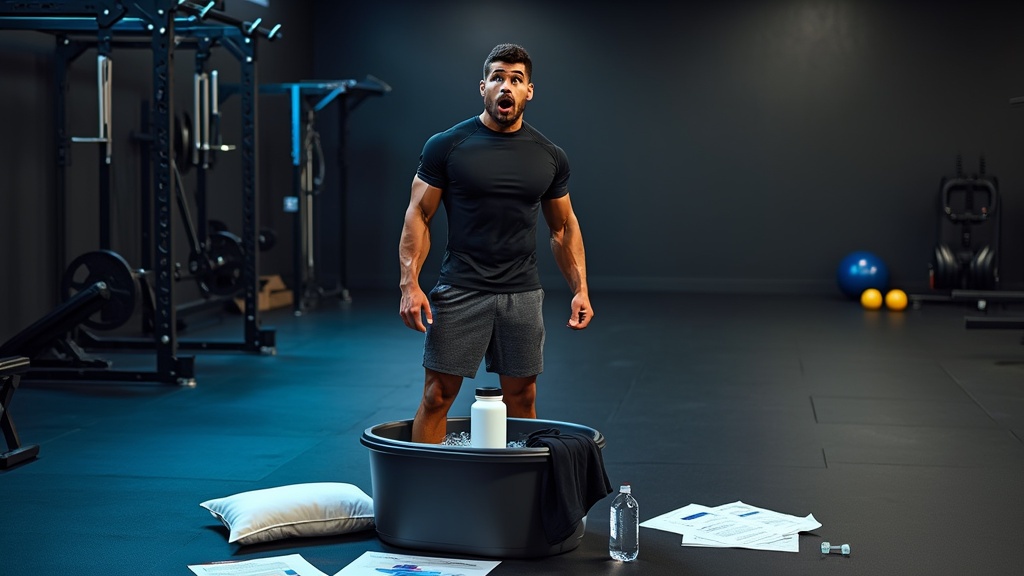
Your Instagram feed is flooded with them. Ice baths at 5 AM. Compression suits that cost more than your gym membership. Protein shakes chugged within seconds of your last rep.
Recovery has become the fitness world's hottest obsession. But here's the uncomfortable truth: most of what's trending might be doing less than you think. And some of it? It could actually be working against you.
I spent weeks diving into the latest research on muscle recovery tools, and what I found will probably surprise you. Spoiler: the stuff getting the most hype often has the weakest evidence.
Why Everyone's Suddenly Obsessed with Recovery
Something shifted in 2024. Recovery mentions in fitness content jumped by over 200% compared to just two years ago. Reddit's r/fitness threads about recovery tools get more engagement than workout programming posts. Why now?
The answer lies in our collective burnout with the "more is better" mentality. People are tired of grinding harder only to see diminishing returns. So they're looking for that secret weapon—that one tool that'll unlock faster gains with less suffering.
But here's where it gets interesting. The recovery industry is now worth over $13 billion, and it's growing 7% annually. That's a lot of products that need to justify their existence. And some are doing it with questionable science.
The psychology here is fascinating. We're seeing classic loss aversion in action: "If I don't optimize my recovery, I'm leaving gains on the table." Mix that with authority bias—influencers in lab coats talking about "peer-reviewed studies"—and you've got a recipe for expensive mistakes.
But what does the actual data say?
The Recovery Tool Reality Check
Let's cut through the noise and look at what actually works—and what's mostly marketing.
Cold Water Immersion: The Complicated Darling
Ice baths are everywhere right now. Cold plunge companies are raising millions. But here's what a 2025 network meta-analysis in Frontiers in Physiology actually found:
Yes, cold water immersion reduces muscle soreness and some biochemical markers of muscle damage. The sweet spot? 10-15 minutes at 5°C to 15°C (that's 41-59°F for those keeping score). But—and this is crucial—it might actually blunt muscle growth if you're doing it immediately after resistance training.
Think about that. The thing that makes you feel recovered might be sabotaging your long-term gains.
The researchers found that CWI works best for reducing next-day soreness, especially after intense cardio or competition. But if you're trying to build muscle? You might want to wait at least 4-6 hours after your workout before jumping in that ice bath.
Compression Garments: Expensive Placebo?
Walk into any gym and you'll see someone in compression everything. Sleeves, shorts, full-body suits. The promise? Better blood flow, faster recovery, enhanced performance.
A 2022 study in Nature Scientific Reports tried to separate compression benefits from placebo effects. Their finding? Compression garments do provide some benefit—but it's modest at best. We're talking about small improvements in subjective soreness ratings and minimal changes in strength recovery.
The kicker? Most of the benefits seem psychological. Which isn't necessarily bad—if you feel better, you might train harder. But at $100+ per garment, you're paying premium prices for what amounts to expensive confidence.
Protein Timing: The 30-Minute Myth
This might be the most persistent myth in fitness: you MUST consume protein within 30 minutes of training or you'll lose your gains.
A comprehensive 2018 review in the Journal of Orthopaedic & Sports Physical Therapy basically demolished this idea. The "anabolic window" is more like an anabolic barn door—it's open for hours, not minutes.
What actually matters? Total daily protein intake. Get 1.6-2.2 grams per kilogram of body weight spread throughout the day, and the exact timing becomes almost irrelevant.
Yet supplement companies have built empires on the 30-minute myth. Classic fear-based marketing: "Miss this window and waste your workout!"
What the Science Actually Supports
Here's where things get practical. After reviewing dozens of studies, three recovery strategies consistently show meaningful benefits:
1. Sleep Optimization (The Unsexy Champion) Every sleep study comes to the same conclusion: 7-9 hours of quality sleep does more for recovery than any supplement or gadget. Growth hormone peaks during deep sleep. Muscle protein synthesis ramps up overnight. Miss sleep, and even perfect nutrition won't save you.
The catch? Sleep doesn't sell products. There's no monthly subscription for better sleep hygiene. So it gets overshadowed by flashier interventions.
2. Progressive Overload Management The best recovery tool might be your training program itself. Research consistently shows that proper periodization—systematically varying training intensity and volume—prevents the need for extreme recovery interventions.
Think about it: if you're constantly beating yourself up in the gym, you're solving the wrong problem. Instead of buying expensive recovery tools, maybe you need to train smarter, not just recover harder.
3. Stress Management (The Hidden Variable) A 2024 study found that psychological stress delays muscle recovery by up to 40%. Work stress, relationship drama, financial pressure—it all shows up in your physiology.
Meditation, deep breathing, even just taking walks without your phone can have profound effects on recovery. But again, stress management doesn't come in a bottle, so it's rarely discussed.
Building Your Evidence-Based Recovery Toolkit
Forget the Instagram-worthy setups. Here's what actually works for most people:
The Non-Negotiables:
- Sleep 7-9 hours nightly (use blackout curtains, keep it cool)
- Eat adequate protein throughout the day (not just post-workout)
- Stay hydrated with plain water (fancy electrolyte drinks are usually overkill)
- Manage life stress through proven methods
The "If You Have Extra Money" Tier:
- Massage or self-massage tools (foam rollers, massage guns) for subjective feeling
- Sauna sessions for cardiovascular benefits and stress relief
- Cold exposure for resilience training—but separate from strength workouts
The "Proceed with Caution" Category:
- Expensive supplements beyond basic protein and creatine
- Recovery gadgets that promise miraculous results
- Any protocol that seems too good to be true (it usually is)
Here's the pattern nobody talks about: the people with the best recovery usually have the most boring routines. Consistent sleep, reasonable training loads, adequate nutrition, managed stress. It's not sexy, but it works.
The Recovery Paradox
Here's the final twist that changes everything: the more you obsess over recovery metrics, the worse your recovery might become.
Constantly checking HRV scores, sleep stages, and recovery percentages can create what researchers call "orthosomnia"—anxiety about not getting perfect recovery numbers. This stress response actually impairs the very thing you're trying to optimize.
The best approach? Use data as general guidance, not gospel. If your device says you're 60% recovered but you feel great, trust your body. Technology should inform your decisions, not control them.
TL;DR: • Most trending recovery tools have weak scientific support • Cold baths help soreness but might hurt muscle growth if used right after lifting • Compression gear is mostly expensive placebo • Protein timing matters way less than total daily intake • Sleep, stress management, and smart programming beat any gadget • Recovery anxiety can actually hurt recovery
The fitness industry profits from complexity, but recovery is surprisingly simple. Sleep well, eat enough protein, train smart, manage stress. Everything else is just expensive optimization around the margins.
Your wallet—and your muscles—will thank you for focusing on what actually works.